For self-perceived variables (only two 60), 61 studies showed a positive effect of massage on muscle soreness, while the other two found a non-significant effect on the same variable. Similarly to nutrition supplements, none of the studies applying massage for recovery reported any performance variable or information on physiological variables like HR and VO2max. Massage included automated massage — vibration, warm under-water water jet, pneumatic classic, manual massage, and petrissage, friction, and tapotement.
By facilitating personalized nutrition plans, tracking dietary intake, and providing reminders for nutrient timing, mobile applications and other technological innovations significantly enhance adherence to recovery protocols. To optimize recovery — it is crucial to ensure sufficient intake of vitamins and minerals, particularly those important for muscle function and energy production. Replenishing depleted muscle glycogen stores after exercise is vital, and it is advised to consume high-glycemic-index carbohydrates immediately post-exercise to accelerate glycogen restoration. A flexible and balanced method for post-exercise nutrition is advocated by these findings, prompting athletes to customize their nutrient intake based on personal recovery requirements and objectives. For elite athletes who often train several times daily (this practice is especially advantageous), as quick nutrient consumption supports swift recovery.
While herbal supplements can offer potential benefits for athletes, it’s essential to approach them with caution. This compound has been studied for its potential to enhance exercise recovery by reducing oxidative stress and inflammation. Tribulus terrestris is a popular herb used in sports nutrition due to its purported effects on strength and power. Schisandra chinensis is a medicinal plant known for its potential to improve cognitive performance and mental focus. It contains synephrine, a compound that may increase metabolic rate and fat oxidation, leading to improved athletic performance. Citrus aurantium (also known as bitter orange), has gained popularity as a potential performance-enhancing herb.
They demonstrated positive effects at 24 h following metabolic exercise or prior to endurance performance, indicating a potential benefit for endurance athletes. Out of the total of twenty-two reviews, only five investigated recovery strategies (cryotherapy, massage, and CG) with a focus on their effects on training recovery. A review by Cheung showed that massage did have an effect on DOMS — depending on the type of massage, time, and technique . Our UR found that the consumption of carbohydrates and curcumin did not result in positive outcomes for HR and RPE in exercise lasting longer than 90 min during recovery, which was consistent with the study by Saunders et al. (2004) .
Indeed, a 16% rise in the concentration of beta-endorphins in the plasma has been reported https://www.flushthefashion.com/culture/incorporating-thc-flower-into-fitness-and-wellness-benefits-and-precautions/ following a 30-min massage after exercise , Kaada and Torsteinb, 1989,. A reduction in circulating cortisol (Field et al., 2005) and an increase in the concentration of beta-endorphins (Kaada and Torsteinb, 1989) have been proposed to explain the reduction of perceived fatigue following massage. Following intense cycle pedaling, Ogai et al. (2008) clearly found that perceived fatigue was more effectively reduced by massage than by passive rest without massage. Such an improvement might impact perceived fatigue, and our meta-analysis revealed that massage was the most effective technique to reduce perceived fatigue. In elites athletes (ultra-marathon runners), massage generated a significant improvement in lowering perceived pain (Visconti et al., 2015). Moreover, our results are in accordance with a recent meta-analysis that reported that massage decreases DOMS for 72 h after exercise (Guo et al., 2017).
Factors such as beneficial symbiotic bacteria and fungi (insect attacks), plant diseases, crowding, and grazing influence the growth of plants. Along with contributions from photosynthetic cyanobacteria and algae, green plants generate a significant portion of the molecular oxygen present in the atmosphere. Different cell types emerge from plant cells, creating various tissues, including specialized xylem and phloem in the vascular tissue of leaf veins and stems, as well as organs performing diverse physiological roles.
To maintain glycogen stores, the International Society of Sports Nutrition (ISSN) advises a daily intake of 3.6 to 5.5 grams of carbohydrates per pound , or 8 to 12 grams per kilogram, of body weight within a high-carb diet. Daily protein consumption supplies your body with the necessary amino acids or building blocks required for repairing muscle proteins and constructing new muscle tissue. Several factors (including training volume), intensity, and frequency, influence the speed and extent of this process. Protein, carbohydrates , often called carbs,, and fat make up the three macronutrients.
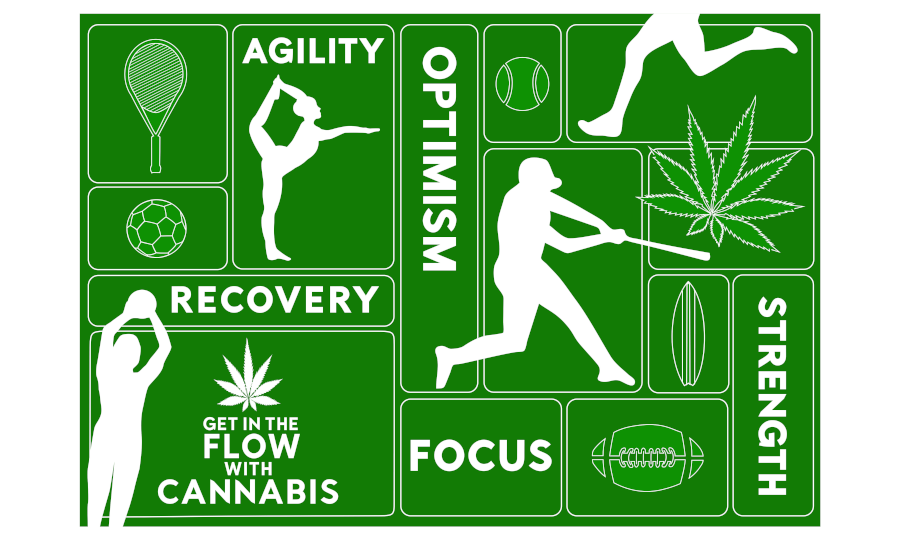
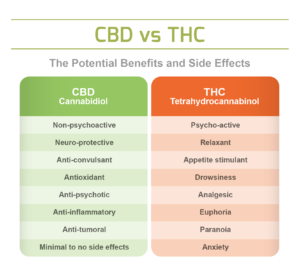
Endocannabinoids e.g., anandamide and 2-arachidonyol (2AG) as cannabinoids activate the type-1 (CB1) and type-2 (CB2) cannabinoid receptors, such as N-acylethanolamines , De Petrocellis and Di Marzo, 2009,, leading to appetite-suppression, anti-inflammatory, anxiolytic, and antiproliferative effects as exercise do. Evidence has shown that a third of cyclists, triathletes, and runners are or have been cannabinoids users (mostly ≥ 40 years of age, male, THC + CBD consumers ≤3 times weekly, and exercise 5–7 days per week) (Zeiger et al., 2019). You can find her work here on Women’s Health, and in many other publications including PS, SELF, Well+Good, Runner’s World, Outside RUN, Peloton, Men’s Fitness, and more.
Regardless (the science is strong for a plant-based diet being good for your heart), not to mention the added benefits it can have on your performance and recovery time. “Inflammation lies at the heart of many chronic diseases (like heart disease), because it can cause your arteries to become dysfunctional and your LDL the bad type of cholesterol to go up,” Loomis told Runner’s World. Plus, because this type of diet is usually higher in carbs than a meat-based diet, it could even prevent you from hitting that dreaded wall.
Researchers have also found potentially beneficial effects of specific antioxidant-rich foods on exercise outcomes, notably beets , allium vegetables , e.g., garlic, onions, and leeks, , and cherry juice . The factors described above—blood viscosity (arterial diameter), and arterial compliance and elasticity—are all influenced by food choices and may all be expected to affect improve tissue oxygenation, endurance, and performance. The higher the saturated fat intake, the greater the impairment of flow-mediated vasodilation . A key factor in oxygen delivery to the muscles and other tissues is blood viscosity (resistance to flow, or “thickness”), which is a function of plasma viscosity and packed cell volume .
Conventional recovery means like nutrition supply and physical exercise exhibit certain defects (2) — which have inspired scientists to explore potential alternatives. Hydration is a key component of recovery, and ensuring you maintain proper electrolyte balance is crucial for preventing muscle cramps and fatigue. Turmeric is a potent anti-inflammatory herb that contains curcumin, its active compound. In this article, we will explore the best natural supplements and plants for sports recovery.
For all 14 studies recording soreness — the index of protection was 29 ± 18% one day post‐exercise and 30 ± 25% two days post‐exercise. Cherry juice was effective at reducing soreness in three of the studies (index of protection 15% — 34%, 44% at 1 day, 33%, 49%, and 74% at 2 days). For the five studies that assessed CMJ and had an adequate exercise stimulus — the average index of protection was 48 ± 35% one day after exercise and 44 ± 39% at two days. For the 10 studies that assessed MVC and had an adequate exercise stimulus, the average index of protection was 34 ± 30% one day after exercise and 58 ± 38% at two days. Of the three studies with no effect on function, one used a cherry juice concentrate , 4 days pre‐exercise dosing,, one used a cherry concentrate gel (0 days pre‐exercise dosing), and one used a tart cherry powder (7 days pre‐exercise dosing). Pre‐exercise does not include any juice consumed on the day of exercise.